Running a restaurant is a huge task. You focus on delicious food, great service, and a welcoming atmosphere. But there’s a hidden part of your kitchen that needs just as much attention: your exhaust system. Above your cooking area, grease, smoke, and steam are constantly being pulled away. Over time, these elements build up in your hoods, ducts, and exhaust fans. This buildup creates a serious risk. That’s why a professional restaurant hood cleaning service is not just a cleaning task. It’s an essential investment in the safety, compliance, and efficiency of your entire business.
The Unseen Dangers: Why Grease Buildup is Your Kitchen’s Silent Threat
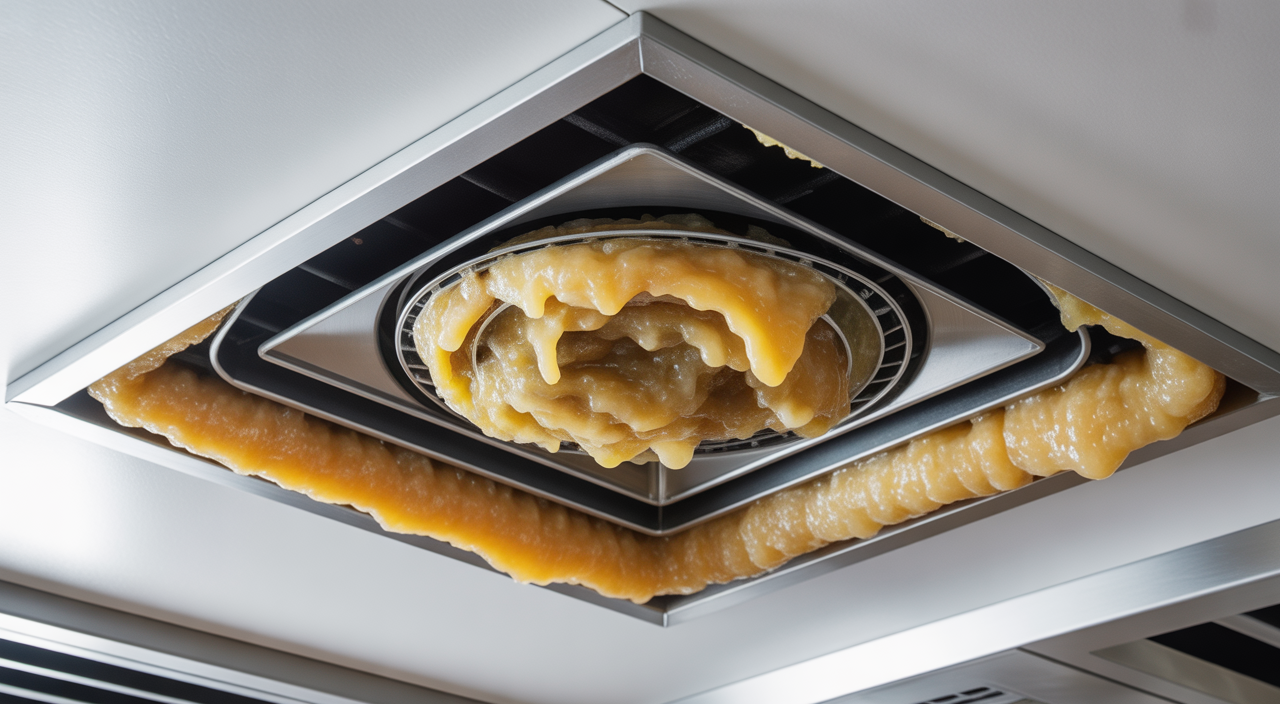
Grease in a kitchen exhaust system is more than just messy. It’s a highly flammable fuel. As you cook, tiny particles of grease vapor rise and stick to the inside surfaces of your hoods, filters, ductwork, and exhaust fan. This creates a thick, sticky layer. The more you cook, the thicker it gets.This accumulation turns your exhaust system into a potential fire pathway. A small flare-up on your stovetop can quickly ignite the grease-laden vapors and residue inside the system. This can lead to a fast-spreading fire that travels through the ducts and even onto the roof. Many restaurant fires start this way, causing massive damage and putting lives at risk.Beyond fire danger, dirty hoods also pose health risks. They can harbor bacteria, mold, and attract pests like rodents and insects. This is a serious problem for health inspectors. Failing a health inspection due to poor ventilation hygiene can lead to fines, temporary closure, and damage to your restaurant’s reputation. Moreover, inadequate ventilation impacts air quality, making your kitchen hotter and less pleasant for your staff. This can affect their health and productivity.It is also important to consider your insurance. Most fire insurance policies for restaurants require regular, professional cleaning of your exhaust system. If a fire occurs and records show you haven’t maintained your hood system properly, your insurance company might refuse to pay for the damages. This could lead to financial ruin for your business.
Navigating Compliance: NFPA 96 & Local Regulations for Restaurant Hood Cleaning
Understanding and following fire safety rules is crucial for any restaurant owner. The main guideline is something called NFPA 96. This stands for the National Fire Protection Association’s Standard for Ventilation Control and Fire Protection of Commercial Cooking Operations. Think of it as the rulebook for keeping your kitchen exhaust system safe.NFPA 96 sets clear rules for how often your kitchen exhaust system needs to be inspected and cleaned. The frequency depends on how much you cook and the type of cooking you do.
- Monthly: For restaurants that use solid fuel cooking (like wood or charcoal grills) or operate 24 hours a day.
- Quarterly (Every 3 Months): For high-volume cooking operations, such as charbroiling or wok cooking. Most busy restaurants fall into this category.
- Semi-Annually (Every 6 Months): For moderate-volume cooking.
- Annually (Once a Year): For low-volume operations, like churches or seasonal businesses.
Adhering to these frequencies is not enough. You also need documented proof that the cleanings happened. This is where professional services providing thorough monthly reporting become essential. These reports serve as official records for fire marshals, health inspectors, and insurance companies, proving your commitment to safety.It’s also important to remember that local fire departments and health agencies might have their own specific rules. These local codes can sometimes add to or interpret NFPA 96 differently. A good professional restaurant hood cleaning service stays updated on all these regulations. They ensure your restaurant meets both national standards and local requirements. This protects your business from potential fines and legal issues.
The Professional Difference: What a Top-Tier Restaurant Hood Cleaning Service Provides
When you hire a professional service for your kitchen hood, you get more than just a quick wipe-down. You get a comprehensive cleaning that tackles every part of the exhaust system. This process usually includes several key steps:
- Pre-Inspection: Technicians first examine your entire system. They look for heavy grease buildup, damaged components, and any potential issues.
- Preparation: Before cleaning, your kitchen equipment (stoves, fryers, floors) is carefully covered and protected. This prevents cleaning chemicals and grease residue from damaging or contaminating your kitchen.
- Deep Cleaning: This is where the real work happens. Professionals use specialized tools and powerful, eco-friendly degreasers. They scrape away thick grease, pressure wash the inside of the hood, filters, accessible ductwork, and the exhaust fan on the roof. Every part of the system is cleaned down to the bare metal.
- Post-Cleaning Inspection & Polish: After cleaning, the system is inspected again to ensure all grease is removed. The visible parts of the hood are polished, leaving your kitchen looking clean and professional.
The Indispensable Value of Monthly Reporting & Documentation
One of the most valuable aspects of a top-tier service is the detailed documentation and monthly reporting they provide. This is not just a formality; it’s a vital tool for your business.These reports clearly show what was cleaned, when it was cleaned, and by whom. They often include “before and after” photos, offering undeniable visual proof of the thoroughness of the service. This documentation is crucial for several reasons:
- Proof of Compliance: For fire marshals, health inspectors, and insurance auditors, these reports are your official evidence of meeting NFPA 96 and local codes. Without them, you could face penalties or denial of insurance claims.
- Maintenance Tracking: The reports help you keep a clear history of your system’s maintenance. This allows you to track wear and tear, plan future cleanings, and stay ahead of potential problems.
- Transparency & Accountability: You can see exactly what was done. This ensures you’re getting the quality service you pay for.
- Recommendations: Professional reports often include notes on any issues found during cleaning. This could be a worn fan belt, a loose duct connection, or areas that need more frequent attention. This helps you address small problems before they become expensive repairs.
Having a well-organized and clutter-free kitchen is an extension of maintaining a safe and efficient workplace. Just as you document your cleaning, keeping your kitchen orderly supports overall operational excellence.Beyond safety, professional cleaning offers other significant benefits. It improves the air quality in your kitchen, making it a more comfortable and healthier place for your staff to work. Regular maintenance extends the lifespan of your expensive exhaust fans and ductwork, saving you money on early replacements. A clean system runs more efficiently, which can even reduce your energy bills. Plus, it eliminates those unpleasant grease odors that can waft into your dining area. This makes for a better experience for your customers. To further enhance your kitchen’s functionality and aesthetic, consider exploring options for upgrading your kitchen storage solutions.
Choosing the Right Restaurant Hood Cleaning Service: What to Look For
When selecting a professional restaurant hood cleaning service, you want a partner you can trust. Here are key things to consider:
- Certifications & Experience: Look for companies whose technicians are certified by recognized industry bodies, like IKECA (International Kitchen Exhaust Cleaning Association). They should also be properly licensed and insured. Experience matters. A company with years in the business understands different kitchen setups and unique challenges.
- Reputation & Reliability: Check customer reviews and ask for local references. A reliable service will show up on time, complete the work efficiently, and respect your restaurant’s operational schedule, often working during off-hours to minimize disruption.
- Transparent Pricing & Comprehensive Quotes: Get a detailed quote that clearly outlines what’s included. This should cover the entire exhaust system – hood, filters, ductwork, and rooftop fan. Avoid companies with vague pricing or hidden fees.
- Documentation is Key: Reiterate the importance of clear, comprehensive post-cleaning reports, including before and after photos and compliance certificates. This documentation is your proof of due diligence.
Partner with the Experts for Your Restaurant Hood Cleaning Needs
Don’t wait for a costly fire, a failed inspection, or a denied insurance claim. Protecting your investment, ensuring the safety of your staff and customers, and maintaining your restaurant’s reputation begins with a clean and compliant exhaust system. A professional restaurant hood cleaning service is an essential part of your business’s preventative maintenance plan.For a reliable, certified, and thoroughly documented restaurant hood cleaning service that prioritizes your safety and compliance, trust the professionals. We provide meticulous cleaning and comprehensive monthly reporting you can depend on. Contact us today to get a free estimate and secure peace of mind for your restaurant.
Frequently Asked Questions
How often should my restaurant’s hood system be cleaned?
The cleaning frequency depends on your cooking volume and type. NFPA 96, the industry standard, recommends monthly for solid fuel cooking (wood/charcoal) or 24/7 operations, quarterly (every 3 months) for high-volume cooking (charbroiling/wok), semi-annually (every 6 months) for moderate-volume, and annually for low-volume operations. Always check with your local fire marshal for specific requirements in your area.
What happens if I don’t get my kitchen hood cleaned regularly?
Skipping regular cleanings can lead to severe consequences. The biggest risk is a grease fire, which can cause extensive property damage, injuries, or even fatalities. You could also face hefty fines and potential closure from health inspectors or fire marshals due to code violations. Furthermore, your fire insurance policy might become void, leaving you without coverage if a fire occurs. Lastly, a dirty system reduces kitchen air quality, affects equipment efficiency, and shortens the lifespan of your exhaust system.