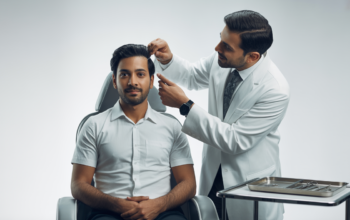
Thinking about restoring your hairline and wondering if FUE hair transplant in Turkey is a smart move? Many Indians today look abroad for hair restoration because they want high success rates, natural results, and good value for money. That is exactly why the term fue hair transplant turkey has become so popular in recent years.
Turkey has grown into a global hub for hair transplant surgery, especially for the modern FUE method. If you plan your trip well, you can combine quality treatment with a short holiday and still spend much less than in most Western countries. This guide breaks everything down in simple language so you can take a confident decision.
As an informed Indian investor in your own health, you will want to see clear costs, safety points, and how to judge a clinic like a pro. Let us go step by step.
Why Are So Many Patients Choosing FUE Hair Transplant in Turkey?
First, the money factor. On average, total hair transplant surgery cost in Turkey is often 50–70% lower than in Europe or the Gulf, even when you add flight tickets and hotel stays. Clinics handle a high number of international cases, so they work very efficiently while keeping standards strong.
Second, skill level. Many Turkish surgeons focus almost fully on hair restoration. They use advanced FUE transplant techniques that give dense, natural-looking results with minimal visible scarring. Cities like Istanbul are now known worldwide for some of the best hair transplant centres.
Third, medical tourism support. From airport pickup to hotel booking and translation help, clinics know how to make the whole journey smooth. For busy Indian professionals, this “fly in, get treatment, fly out” style saves both time and stress.
What Exactly Is FUE and How Is It Different?
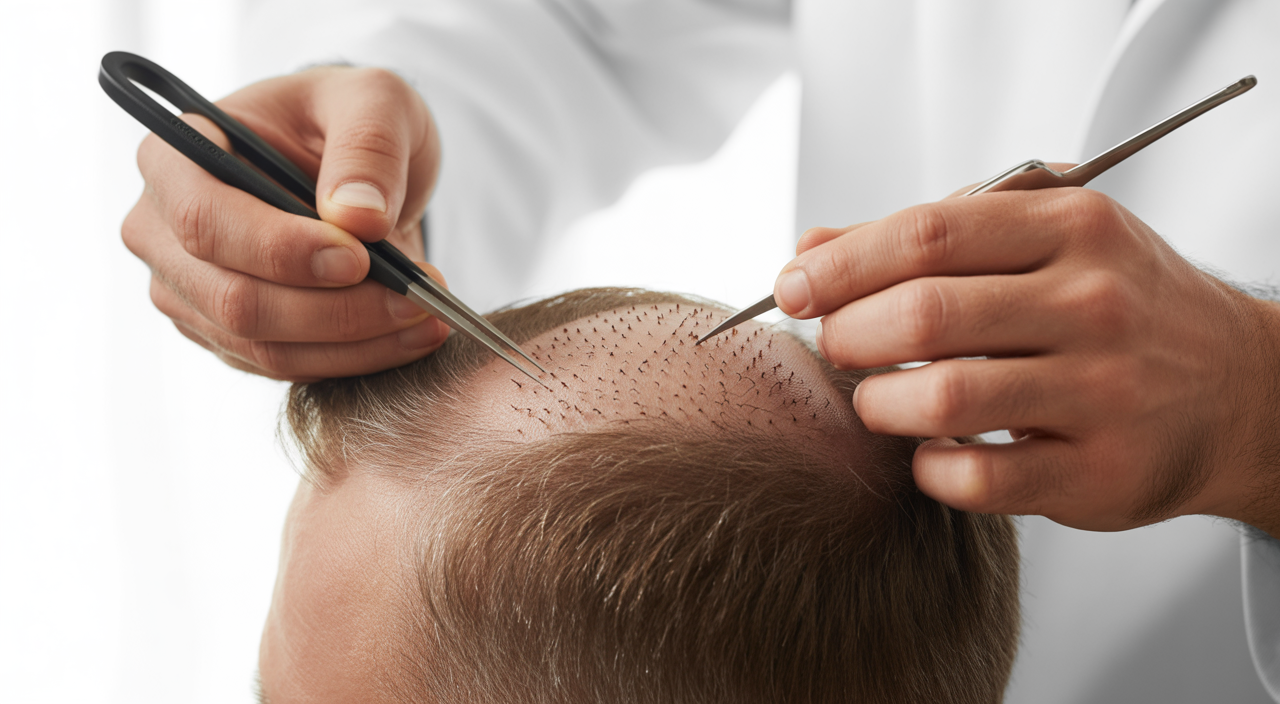
FUE stands for Follicular Unit Extraction. In simple words, the surgeon removes tiny hair roots (called grafts) one by one from the back or sides of your head and places them into thin or bald areas. Each graft usually contains 1–4 hairs.
Unlike older strip methods, FUE does not involve cutting a long strip of skin. That means smaller dot scars that are usually hard to notice, faster healing, and less discomfort. FUE is also a good option for people who like short hairstyles because there is no big line scar at the back.
There are also variations such as no-shave FUE and robotic-assisted systems. Your surgeon will suggest whether standard FUE, DHI (Direct Hair Implantation), or a mix suits your case based on your hair type, density, and goals.
How Much Does FUE Hair Transplant Cost in Turkey?
Prices vary by city, clinic reputation, and number of grafts. While exact figures change every year, you can use this general idea:
- Per graft pricing: Many clinics quote by graft, with fue hair transplant cost in Turkey usually far below UK, US, or Gulf rates.
- All-inclusive packages: Often include surgery, blood tests, medicines for the first few days, hotel stay, airport transfers, and post-op checkups.
- City difference: Istanbul is usually slightly higher priced than smaller cities but offers more choice and experience.
For comparison, a good quality all-inclusive Istanbul hair transplant package may cost less than what only the surgery would cost in many Western countries. When you compare quotes, always check what is included, not just the headline number.
Step-by-Step: Your FUE Journey in Turkey
1. Online consultation: You send scalp photos and medical history. The clinic estimates grafts needed, possible coverage, and a rough price. Use this stage to ask all your questions.
2. Pre-op day: Once in Turkey, you meet the surgeon, discuss your hairline design, and review your blood tests. You also sign consent forms and receive last-minute instructions.
3. Surgery day: Local anaesthesia numbs your donor and recipient areas. The team extracts grafts, counts them, and then implants them carefully in the planned pattern. The procedure can take 6–8 hours, with short breaks.
4. Next 2–3 days: You go back to the clinic for hair wash, bandage removal, and a checkup. The team teaches you how to sleep, wash, and protect the grafts.
5. Recovery timeline: Most patients fly home within 3–5 days. Redness and tiny scabs settle in 7–10 days. Transplanted hairs shed in the first month, then start regrowing from around the third month. Full results usually appear between 9 and 12 months.
How to Choose the Right Clinic and Surgeon
Treat this like an investment decision. Focus on value, not just the “cheapest” deal.
- Check if the clinic is properly licensed and follows international hygiene standards.
- Look for surgeons who personally do key parts of the surgery, not just supervise.
- Study real before/after photos of patients with similar hair type and hair loss pattern to you.
- Read recent reviews and ask for references if possible.
Be careful with unrealistic promises, very high graft numbers in a single day, or offers that feel like hard selling. A good clinic explains limits clearly and sets healthy expectations.
Planning Travel From India: Practical Tips
Most Indian patients fly to Istanbul, which has frequent connections from major cities. Check current visa rules and processing times before booking. Many clinics help with hotel choices close to the hospital so that daily visits are easy.
Plan to stay at least 3 nights after surgery to complete wash sessions and checkups. Spend the rest of the time on light, recovery-friendly activities such as short city walks, simple sightseeing, or relaxing at the hotel. Avoid intense sun, swimming pools, and heavy workouts in the first weeks.
If you like planning health-related travel in detail, you might also enjoy reading about how to compare cosmetic surgery options in different cities so you learn how to think about clinics, safety, and value.
Risks, Side Effects, and Aftercare
When done in a good clinic, FUE is generally safe and well-tolerated. Common temporary side effects include mild swelling, redness, and small scabs, which fade within days. Following your aftercare guide closely is the best way to support high graft survival rate and strong growth.
You will usually receive written instructions and medicines for pain control, infection prevention, and swelling reduction. Some clinics even provide online follow-up for months after your procedure so you can share photos and get feedback as your new hair grows.
For more ideas on choosing medical and wellness services wisely, you can explore this guide on working with a specialist to transform your appearance safely.
Is FUE Hair Transplant Turkey Right for You?
If you want quality hair restoration, are okay with short travel, and appreciate strong value for money, exploring fue hair transplant turkey can be a very sensible step. The key is to take your time, compare clinics properly, and treat every part of the journey as a planned investment in your confidence.
Collect at least 2–3 detailed quotes, ask for clear package breakdowns, and speak directly with the medical team, not just sales staff. When you feel fully informed and comfortable, booking your procedure becomes a confident and positive decision.
FAQs About FUE Hair Transplant in Turkey
Q1. How many grafts will I need?
The number of grafts depends on how large your thinning area is, how dense you want the result, and how strong your donor area is. Mild recession may need 1,500–2,000 grafts, while advanced hair loss can require 3,000–4,000 or more. A proper photo-based consultation with a surgeon is the best way to get an accurate estimate.
Q2. Is the FUE procedure painful?
Most patients feel only small pinpricks during the local anaesthesia injections. After that, the scalp goes numb and you mainly feel light pressure or touch, not sharp pain. Any mild soreness after surgery is usually well controlled with tablets prescribed by the clinic.
Q3. When will I see the final results?
You will see early growth starting from around 3–4 months, but the hair is thin and still maturing. By 6 months, the improvement is clear. Most people see their full result, with thicker and stronger hair, between 9 and 12 months after the transplant.
Q4. Can women also get FUE in Turkey?
Yes, many clinics offer hair restoration Turkey packages specially designed for women. The approach and hairline design are different from male patterns, so it is important to choose a team experienced in female hair transplant cases.