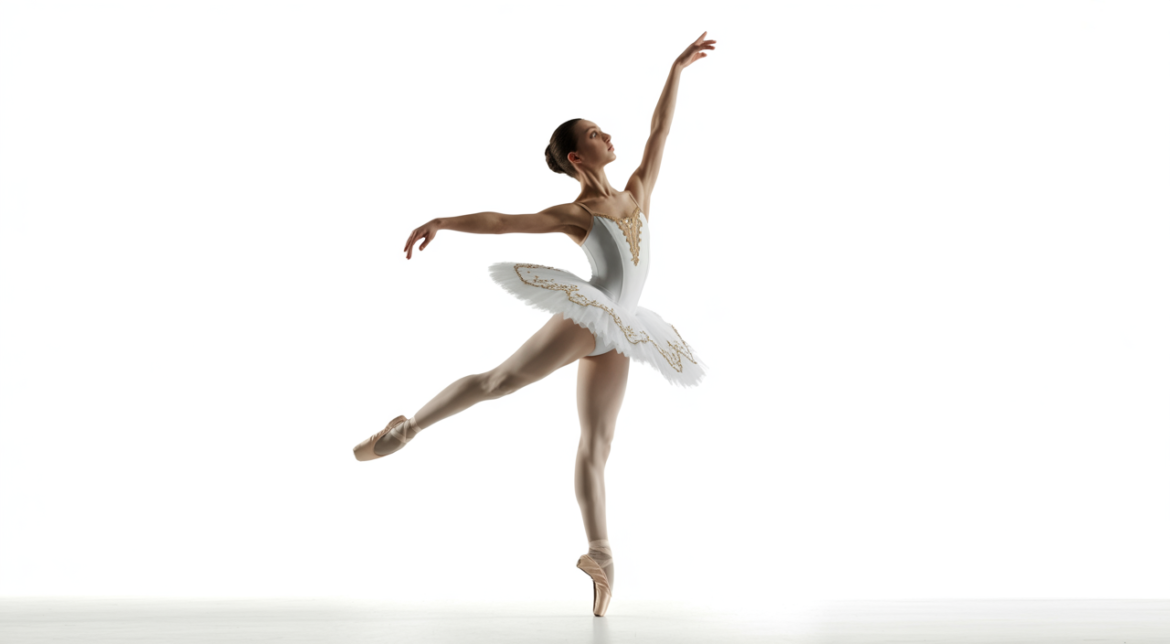
Are you searching for the best youth ballet program Toronto has to offer for your child? With so many options in the city, it can feel confusing to pick the right school, style, and schedule. This guide will walk you through what to look for in a quality program and why a leading option like the youth ballet program toronto at a nationally recognized school often stands out.
Choosing a ballet school is more than finding a place where your child can learn a few steps. A strong program shapes discipline, confidence, posture, and even long‑term career options. For Indian parents investing from abroad, or families planning to move children to Toronto for serious training, it is helpful to think of ballet as both an art education and a long‑term asset.
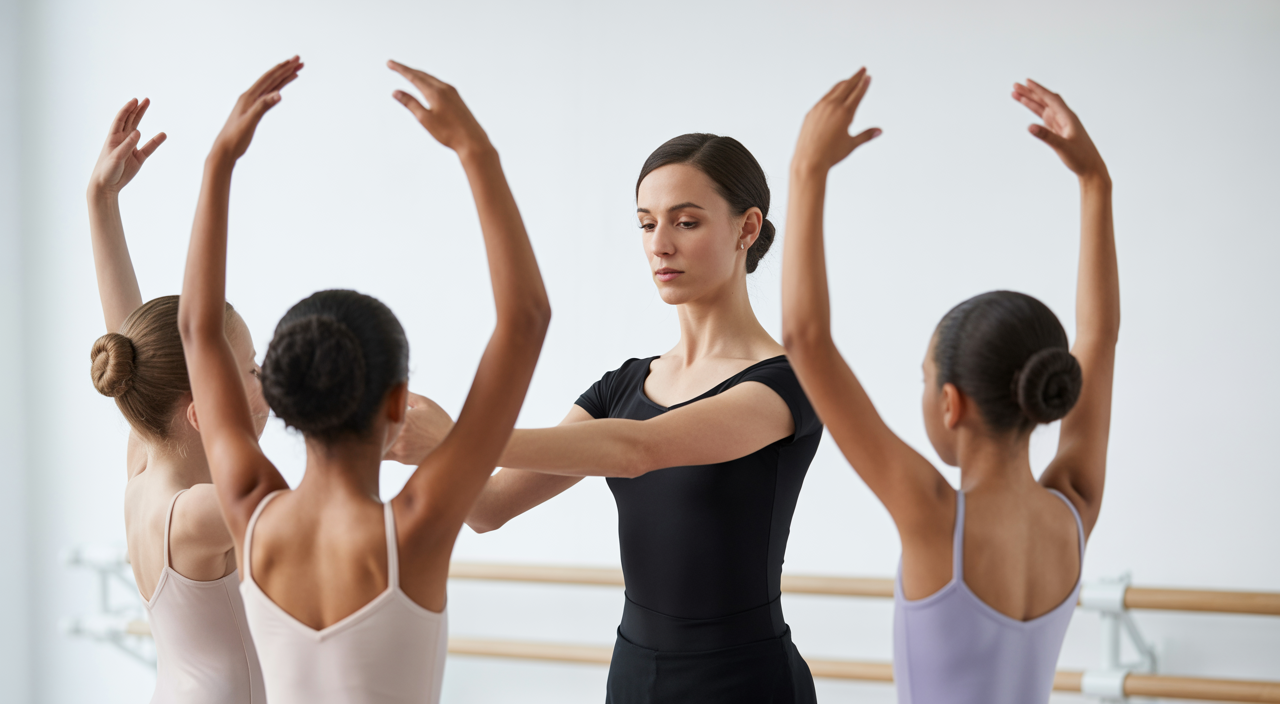
Let us explore the key factors that make a youth ballet program in Toronto truly worth your time, money, and energy.
Why a Youth Ballet Program in Toronto Is a Strong Long‑Term Investment
Toronto is one of Canada’s most active cultural hubs. This means young dancers get access to professional performances, expert teachers, and inspiring role models. When your child trains in such an environment, they are constantly exposed to high standards.
For Indian investors and parents, this exposure can be part of a larger education strategy. Just like you would evaluate a good international school or coaching institute, a structured ballet program in Toronto can become a key part of your child’s profile for future college applications and arts scholarships.
High‑quality youth ballet classes also build soft skills such as focus, teamwork, time management, and resilience. These traits help children in any academic or professional path, not just a dance career.
What Makes a Youth Ballet Program Toronto Families Can Trust?
When you review different schools, use a simple checklist. This keeps your decision clear and practical, even if you are comparing options from India.
- Clear curriculum: Levels should progress from beginner to advanced, with age‑appropriate goals.
- Qualified teachers: Look for faculty with professional performance backgrounds and teaching certifications.
- Safe technique: Proper warm‑ups, alignment, and injury prevention are essential.
- Performance chances: Regular stage shows or studio presentations build confidence.
- Transparent fees: You should easily understand tuition, uniforms, exam, and performance costs.
A strong youth ballet program Toronto parents recommend will proudly share its teaching philosophy, examination structure, and student outcomes. If this information is missing, treat it as a signal to ask more questions.
Understanding Curriculum and Levels
A professional youth program usually follows a structured path. This helps you see how your child will grow year after year, similar to moving from primary to secondary and then to higher classes in school.
- Preparatory and beginner levels: Focus on musicality, coordination, and simple ballet positions. Ideal for younger children.
- Intermediate levels: More complex steps, turns, jumps, and combinations. Students start to build strength and endurance.
- Advanced and pre‑professional: Includes pointe work for suitable students, repertoire (choreography from famous ballets), and conditioning.
Ask the school how long a typical student spends at each level, how promotions are decided, and how often progress is formally assessed. Clear answers show that the school takes development as seriously as you do.
Faculty, Teaching Style, and Class Environment
Great studios are built around great teachers. When you explore any youth ballet program, review faculty profiles carefully. Look for experience with youth training, not just impressive performance careers.
A positive, respectful atmosphere is also important. Children should be challenged, but not pressured. In trial classes or online videos, watch how teachers correct students. Are they encouraging, specific, and kind? A healthy teaching style prevents burnout and supports long‑term love for dance.
If you are evaluating from India, email the school and ask for a virtual tour or recorded class clips. Serious institutions will be happy to provide this.
Costs, Scholarships, and Financial Planning
High‑level ballet training does require steady investment. Beyond monthly or term fees, there may be costs for exam entries, special workshops, costumes, and performance tickets.
To plan smartly, request a full fee breakdown at the start. Some schools also offer:
- Merit scholarships for talented students after auditions or assessments.
- Need‑based support for families who require financial help.
- Payment plans that spread fees across the year.
Thinking like an investor, you can compare this structured artistic education with other activities you fund, such as advanced coaching, test prep, or overseas camps. If the program builds both artistic skill and global opportunities, the return on investment can be very attractive.
How Indian Parents Can Assess a Toronto Program from Abroad
Even if you are not in Canada, you can still research effectively. Many of the same methods you use to judge international schools or universities work here as well.
- Read independent reviews and parent testimonials.
- Check how long the school has been running.
- Ask about alumni who went on to professional training or university dance programs.
- Attend virtual open houses if available.
For broader ideas on using learning tools and digital platforms in your child’s education, you may find this guide on improving education with technology useful while planning from India.
Balancing Ballet with Academics and Other Activities
Many parents worry about time. Can a serious youth ballet program fit alongside school, entrance exam prep, and other classes? The answer is yes, if you plan with intention.
Discuss weekly timetables with the school. A good program will guide you on suitable class frequency for your child’s age and goals. Some may suggest starting with two classes per week and then increasing as your child shows passion and readiness.
Think of ballet like a long‑term SIP in mutual funds. You invest small amounts regularly, and over years the benefits compound in discipline, health, and confidence.
Tips to Help Your Child Thrive in a Youth Ballet Program
Once you have chosen a program, a few simple habits can help your child gain the maximum benefit.
- Consistent attendance: Regular practice is key to improvement.
- Supportive home routine: Adequate sleep, balanced diet, and time for stretching.
- Open communication: Encourage your child to share what they enjoy or find challenging.
- Goal setting: Work with teachers to set small, realistic targets across each term.
This way, the youth ballet program Toronto offers becomes part of a stable, nurturing lifestyle rather than just another item in a busy schedule.
FAQs
Q1. At what age should my child start a youth ballet program in Toronto?
Many children begin around ages 5 to 7 with creative movement or pre‑ballet classes. Formal technique training usually becomes more structured from ages 8 to 10. If your child is older, it is still possible to start, as good programs create beginner groups for different age ranges.
Q2. How can I tell if a youth ballet program is suitable for serious long‑term training?
Look for a clear progression of levels, experienced faculty, regular assessments, and links to higher‑level training or advanced workshops. Ask about alumni achievements, performance opportunities, and how the school supports students who show strong talent and commitment.
Q3. Is it necessary to choose a pre‑professional track from the beginning?
No. Many families start with general youth classes to test interest and aptitude. As your child grows and shows dedication, you can discuss pre‑professional options with the school, including more intensive schedules or audition‑based streams.