If you love wine, you have probably heard that the best experiences in Napa come from small, family-run estates. These places feel warm, personal, and relaxed. Many travellers search for the best family-owned winery Napa Valley to enjoy estate-grown wines, peaceful views, and real stories from the people who make the wine.
For Indian investors and travellers, Napa Valley is more than a holiday spot. It is also a way to understand how family businesses create global brands with passion and patience. Visiting a family winery lets you see how long-term thinking, land ownership, and careful planning can build wealth over generations.
This guide will help you choose the best family-owned estate for tastings, explain what makes these places special, and share simple tips to plan your first Napa wine tour with confidence.
Why Choose A Family-Owned Winery In Napa Valley?
Family wineries focus on more than just volume. Many of them produce small-batch wines, which means fewer bottles but higher quality. You often meet someone from the family in the tasting room, so every glass comes with a story.
These estates usually grow their own grapes, also called estate-grown Napa wines. This gives them more control over quality from soil to bottle. Some are organic or follow eco-friendly methods, which appeals to modern travellers who care about sustainability.
For you as an Indian investor or business owner, this is a live case study. You see how a small landholding, when managed well with a clear brand and direct customer connection, becomes a premium global experience product.
Key Things That Make A Winery “The Best”
When people talk about the best family-owned winery Napa Valley can offer, they are usually thinking about a mix of factors, not only awards. Here are a few simple points to check before you book:
- Quality of wine: Look for wineries known for balanced, food-friendly wines, not just high alcohol or heavy oak.
- Estate control: Places that grow and harvest their own grapes often maintain a clear style and consistent quality.
- Intimate tastings: Small tasting groups, personal attention, and time to ask questions make the visit special.
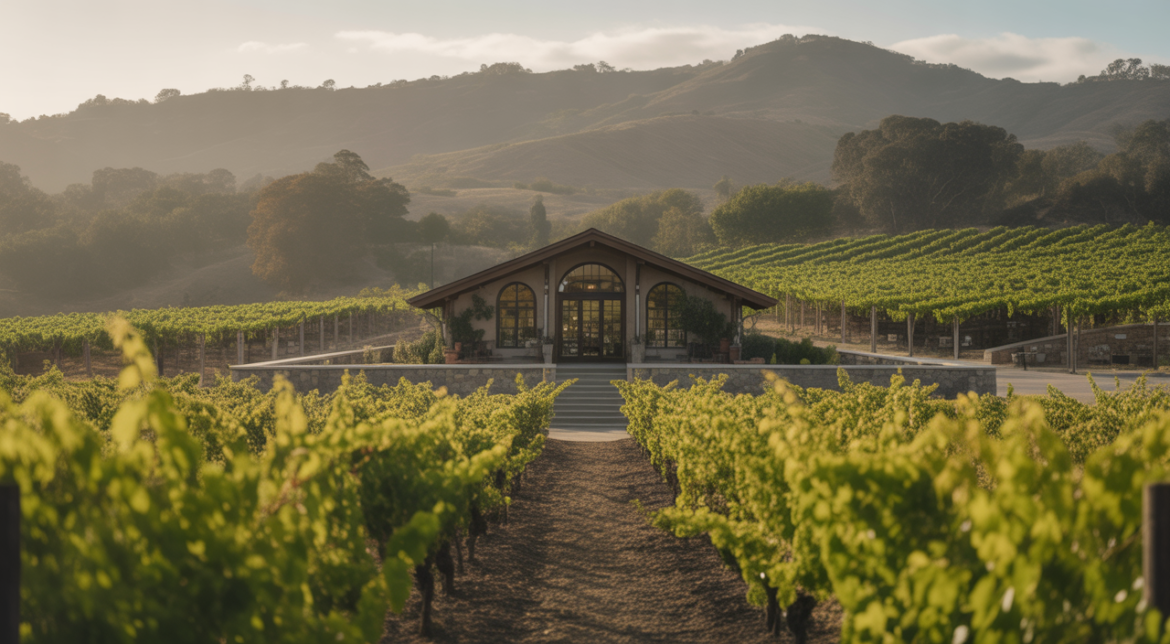
- Scenic setting: Vineyards with views, gardens, or outdoor seating add value to your visit and photos.
- Family story: A strong vineyard family legacy shows in how they speak about their land, employees, and wines.
If you think like an investor, these points are similar to checking a company’s fundamentals, leadership, and brand strength before you buy shares.
How Indian Travellers Can Plan A Family Winery Tour
Most flights from India arrive into San Francisco or Los Angeles, with San Francisco being closer to Napa Valley. From San Francisco, the drive to Napa is about 1.5 to 2 hours by car. You can rent a car or hire a local driver for the day, which is often a wise choice if you plan to taste several wines.
Book tastings in advance, especially from March to October, which is the busy season. Many boutique Napa wineries accept visitors only by prior reservation and limit each group, so you enjoy a peaceful, almost private feel.
As a rough plan, hold 2 or 3 winery visits in one day. This gives you time at each stop and avoids rushing. Leave gaps for lunch, photos, and simply walking around the vines.
What To Look For In A Tasting Experience
A good tasting should feel relaxed, never rushed. Staff should explain wines in simple terms, share about the soil, climate, and grape varieties, and guide you on how to taste slowly and notice layers of flavour.
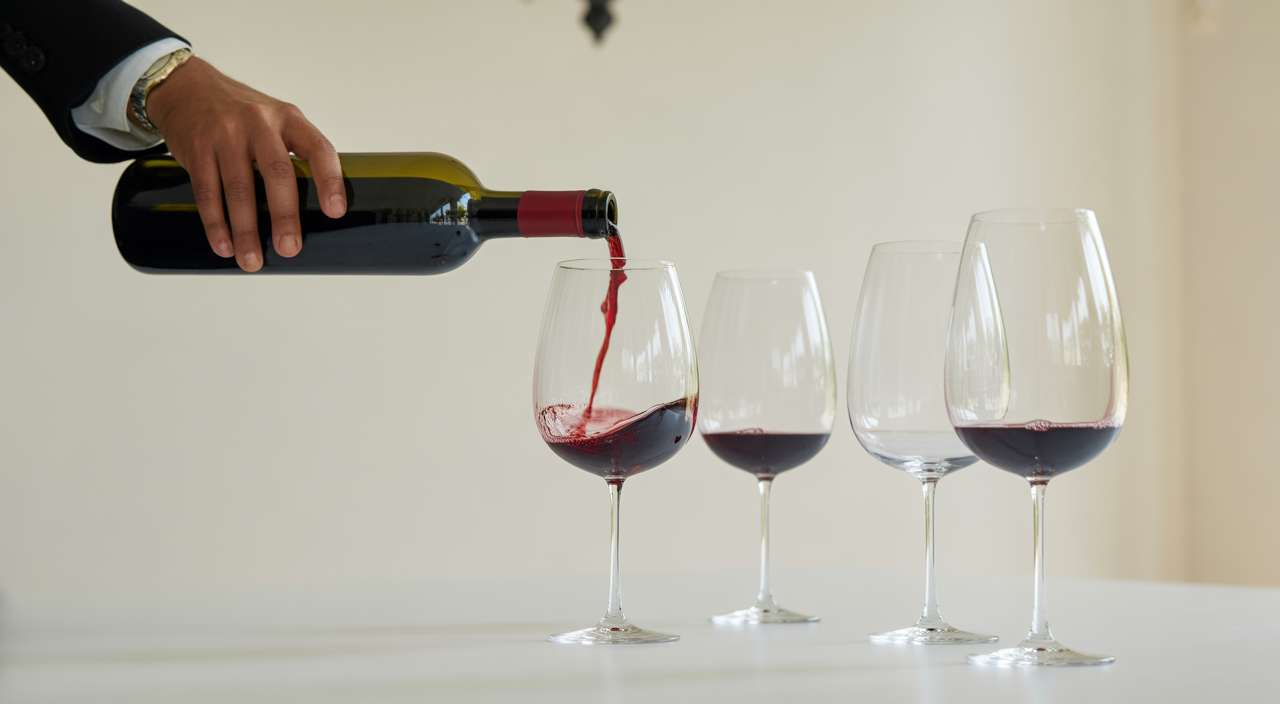
Many family wineries offer small-group or private wine tasting sessions where you sit at a table, not stand at a crowded bar. This allows real conversation about the winemaker’s heritage and how they built the estate over time.
Some estates offer food pairings with cheese, olives, or small bites. For Indian travellers, this is a great way to understand how you might pair these wines later with Indian dishes such as tandoori, kebabs, or mild curries.
Why Family Wineries Appeal To Indian Investors
Visiting these places is not only leisure. It can shape your thinking about long-term investments in land, hospitality, and premium products. Many of these estates started with a single family taking a calculated risk on agricultural land, then using branding, direct sales, and tourism to scale returns.
You can observe how they build customer loyalty through club memberships, personal emails, and small events. These methods can inspire similar strategies back home, whether you run a boutique hotel, organic farm, or specialty food brand.
If you are exploring ways to grow your own business presence globally, you may also enjoy reading about improving your brand’s online image with thoughtful design.
Practical Tips For Your First Napa Valley Visit
Start your day early, especially in summer, when afternoons can be warm. Mornings are quieter, with softer light for photos of the vineyards. Keep a light jacket handy, as Napa mornings and evenings can be cool.
Drink water between tastings and have a proper lunch. This keeps you fresh and able to enjoy every wine. Carry a small notebook or use your phone to jot down which wines you liked and why, including grape names and tasting notes.
Think of each visit as learning. Ask about hand-harvested grapes, how they manage the soil, and how many cases they produce each year. Such questions open richer conversations and help you understand how a small, focused production can still earn strong profits.
How To Evaluate Wine As A Smart Buyer
You do not need to be an expert to judge good wine. Focus on a few basics. The wine should taste balanced, with fruit, acidity, and tannin all working together, not one overpowering the rest.
Notice how the wine finishes. Does the flavour disappear quickly, or does it stay in your mouth for several seconds? Longer, pleasant finishes often signal higher-quality small-batch wine production.
You can also ask if the winery offers shipping to India or to friends and family abroad. Many do, and joining a wine club can be a simple way to hold a piece of Napa Valley in your long-term lifestyle portfolio.
Turning Inspiration Into Action Back Home
After your visit, reflect on what impressed you most. Was it the way the family told their story, how they cared for staff, or how they designed the tasting room? These touches are not expensive but require clear thinking and consistency.
Whether you invest in vineyards, hotels, or any other sector, the big lesson from the best family-owned winery Napa Valley choices is this: focus on quality, treat customers personally, and think in decades, not quarters. This mindset can support both financial growth and personal satisfaction.
For more ideas on building thoughtful, customer-focused spaces, you might explore how a customised store design can boost your brand value.
FAQs About Visiting Family-Owned Wineries In Napa Valley
Q1: How many wineries should I visit in one day?
Two or three family wineries in a day is usually ideal. This pace lets you enjoy each tasting, talk to the hosts, and travel between estates without stress.
Q2: Do I need wine knowledge before visiting?
No, you do not. Staff at family-owned wineries are used to hosting beginners. They will guide you on basic tasting steps, explain terms in simple language, and adjust to your comfort level.
Q3: Is it better to visit on weekdays or weekends?
Weekdays are usually calmer, with more time for conversation and less crowding. Weekends have a livelier energy but may require earlier bookings, especially at popular family estates.
Q4: What should I wear for winery visits?
Smart casual clothing with comfortable footwear works best. You may walk on gravel or between vines, so closed shoes or sturdy sandals are better than delicate footwear.