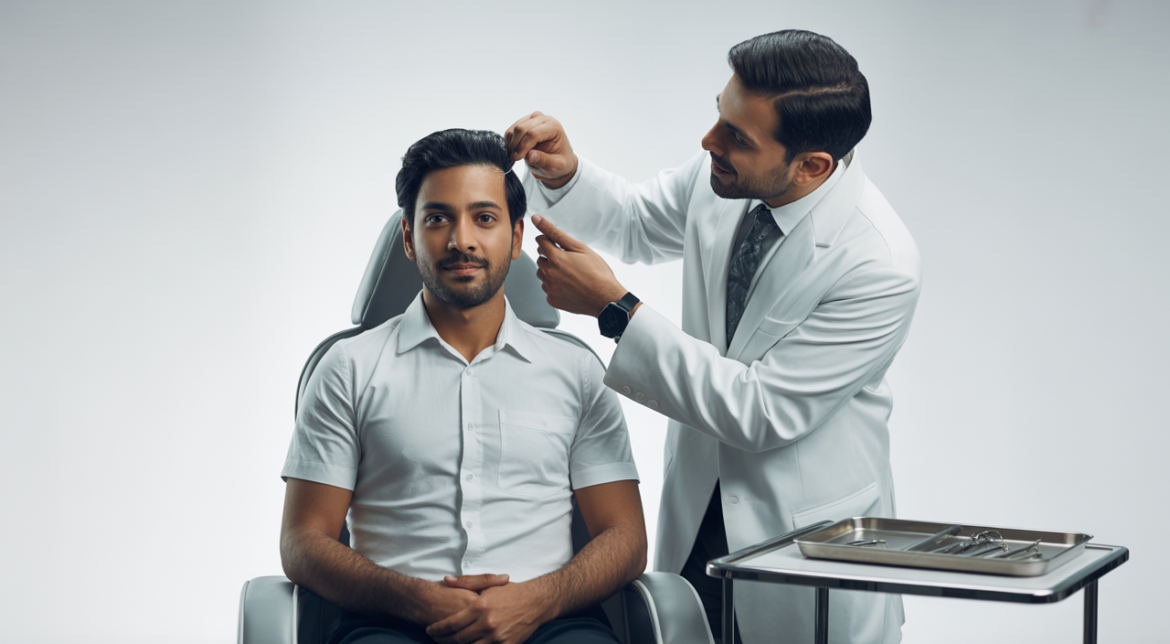
Many investors from India weigh cost, quality, and safety before they travel. Turkey is a popular choice for hair restoration because it combines experienced surgeons with competitive prices. If you want a quick, clear place to start, this resource fue hair transplant turkey explains clinic packages and typical timelines.
Why choose Turkey for hair restoration?
Turkey has built a strong reputation for cosmetic surgery and medical tourism. Clinics in Istanbul and other cities often follow international standards. That means skilled teams, modern equipment, and a wide range of packages that include transfers and hotel stays.
For Indian patients, the financial benefit is clear. Prices often run lower than in the UK, US, or India for the same level of care. This makes Turkey a high-value option for people who want a natural, permanent result.
Understanding the FUE procedure in simple terms
FUE stands for Follicular Unit Extraction. It means individual hair follicles are taken from a donor area and placed where hair is thin. The process uses tiny punches and careful placement to create a natural hairline.
Key steps include consultation, donor harvesting, graft placement, and a short recovery period. Clinics often offer PRP (platelet-rich plasma) or sapphire tips as add-ons to boost healing and graft survival rates.
Cost breakdown and typical packages
Costs vary by graft count. Small procedures (1,000–2,000 grafts) suit crown or small hairline fixes. Medium (2,000–3,500 grafts) cover more noticeable thinning. Large sessions exceed 3,500 grafts for extensive restoration.
Packages usually include airport transfer, one or two nights’ hotel, and a follow-up check. Expect to add local clinic fees for PRP, medications, or extra nights. For Indian investors, converting to INR and adding a small travel buffer helps avoid surprises.
Choosing a clinic and verifying credentials
Look for surgeon photos, certificates, and real before-and-after galleries. Ask for patient testimonials and clinic accreditation. A clinic that shares clear graft counts, step-by-step photos, and a recovery plan shows transparency.
Consider clinics that offer virtual consultations before you fly. This saves time and gives a clear expectation of results and costs. Also check graft survival rates and healing timelines to set realistic goals.
Recovery: what to expect day-by-day
Recovery is straightforward for most people. Day 1–3 you will rest and follow cleaning instructions. By week 1, scabs fall away and you can travel home if advised by the clinic. New hair grows gradually over months, with visible density after 6–12 months.
Post-op hair care is vital. Gentle shampoos, avoiding sun, and following medication instructions boost success. Clinics often provide a clear aftercare sheet and a follow-up schedule.
Travel and logistics tips for Indian patients
Plan a short stay in Istanbul: arrival day, surgery day, and 48–72 hours follow-up are common. Apply for the right visa in advance and pick a centrally located hotel close to the clinic. Local transport is affordable and clinics often arrange transfers.
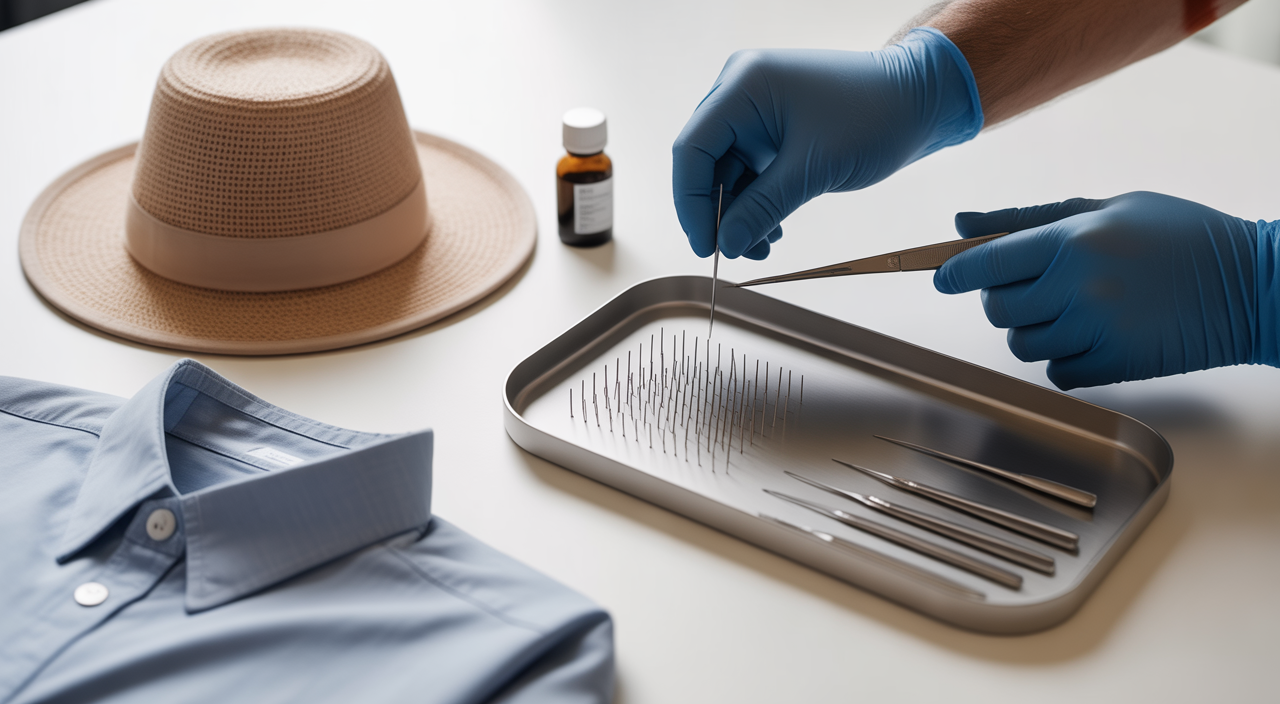
Bring a small recovery kit: a loose hat, button-up shirts, and any medicines recommended by the clinic. If a companion travels with you, plan light sightseeing for recovery days to make the trip pleasant.
Practical examples and value checks
Example: A 2,500-graft package might cost far less in Turkey than a similar procedure in India. Add travel and stay, and you still save. For investors who value cost-efficiency, that makes Turkey attractive.
Always compare surgeon experience, not just price. A slightly higher fee for a trusted surgeon can mean better graft survival rates and a more natural outcome.
Want a deeper look at related procedures? Read about the benefits of facial hair restoration with this piece on beard transplant benefits in Istanbul. For a broader view on cosmetic surgery options and trends, see this guide to cosmetic surgery options.
How to book and what to ask
Start with a virtual consultation. Ask for a clear graft estimate, a breakdown of what’s included, and a written aftercare plan. Confirm surgeon credentials and see recent patient photos for cases like yours.
Choose clinics that offer transparent pricing and a follow-up plan. Book travel only after you get a written plan and confirm post-op support for your return home.
FAQs
Q: How soon can I return to work after FUE?
A: Many people return to light work within 3–7 days. Avoid heavy exercise for about two weeks and follow your clinic’s advice for the best healing.
Q: Will the transplant look natural for Indian hair types?
A: Yes. Skilled surgeons plan graft placement to match your hair angle and density. Discuss your hair texture and goals during the consultation to ensure natural results.
Q: Are follow-up visits needed after I return to India?
A: Clinics usually schedule remote follow-ups and may ask you to send photos. If an in-person check is needed, many clinics coordinate with local partners or guide you on when to visit the surgeon again.