
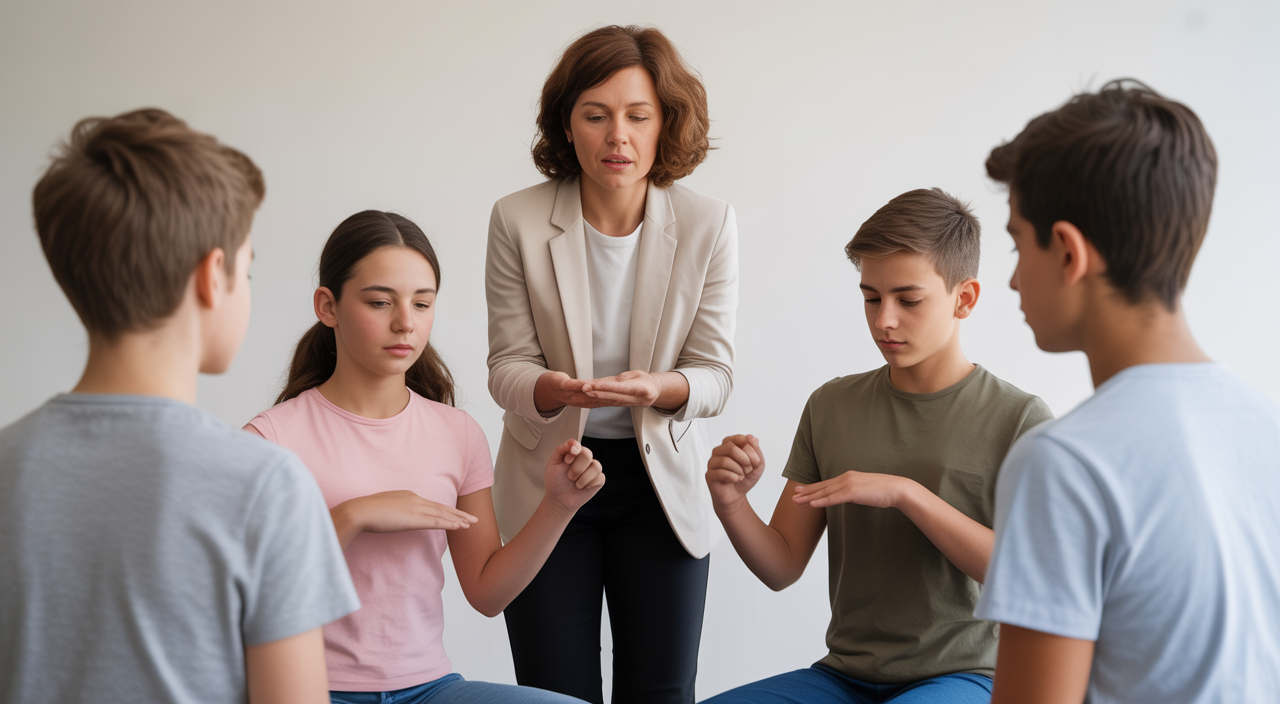
When a child or teenager is struggling, many parents ask one simple question: “Who can truly understand what my child is going through?” This is where in-person peer support becomes so valuable. It connects young people with others who share similar challenges, feelings, and life experiences.
For Indian families, emotional health is becoming as important as marks, college admissions, or career plans. Group-based emotional support gives children and teens a safe space to talk, learn coping skills, and feel less alone. When done well, it can work alongside professional counselling and family care to build a strong support system.
This guide explains what in-person peer support is, how it works, and how Indian parents and young investors in their own future can use it to build long-term emotional and social strength.
What Is In-Person Peer Support?
In simple words, peer support means “people helping people like themselves.” In-person peer support is when this happens face to face, in the same room, usually in a small group.
For example, a teen who has handled exam stress in a healthy way can share tips with another teen who is currently anxious. A college student who has adjusted to a new city can guide a first-year student who feels lonely or homesick. The goal is to share real-life experiences, not just theory.
Many programs are guided by a trained facilitator. This person keeps discussions respectful, ensures privacy, and introduces useful tools such as breathing exercises, journaling, or simple problem-solving methods.
Why In-Person Peer Support Matters for Ages 9–21
The age group from 9 to 21 is full of changes. Children become teens, then young adults. School becomes college, then first job. Crushes, friendships, body changes, social media pressure, family expectations, and career decisions all come at once.
In this stage, young people often feel that “no one understands me.” Studies in youth mental health show that peer connection can reduce feelings of isolation and increase confidence. When a child or teen hears “I went through this too, and here is what helped,” it often has more impact than any lecture.
In-person peer support also builds skills like listening, empathy, and respectful disagreement. These are not just “soft skills.” They are life skills that help in group projects, business partnerships, and even future investments and entrepreneurship.
Key Benefits of In-Person Peer Support
Here are some powerful benefits young people can gain from well-run peer support groups:
- Reduced loneliness: Realizing “I am not the only one” can reduce shame and fear.
- Better coping skills: Teens share what worked for them during exams, breakups, or family stress.
- Healthy communication: Children learn to express feelings in words instead of anger or silence.
- Stronger self-worth: Supporting others makes them feel useful and capable.
- Early help-seeking: When peers discuss therapy or counselling openly, stigma goes down and more young people seek help early.
For Indian parents who think long term, this is like investing in a good education plan. Peer support strengthens emotional “capital” that stays with your child for life.
How Sessions Usually Work
While every program is different, most in-person peer support sessions follow a simple structure that keeps everyone comfortable and safe.
- Check-in: Each member shares how they feel that day with a word or short sentence.
- Group topic: The facilitator introduces a topic such as exam pressure, friendships, social media, or family expectations.
- Sharing time: Members share experiences, ask questions, and respond to each other with respect.
- Skill practice: The group may learn a breathing method, grounding exercise, or simple planning tool.
- Closing: Everyone shares one takeaway or small action they plan to try during the week.
This rhythm makes sessions predictable, which is especially helpful for children and adolescents who feel anxious in new groups.
How Parents Can Choose the Right Peer Support Group
Not every group is the same. When selecting in-person support for your child or teen, you can think like a careful investor comparing different options.
Here are some points to check:
- Age-appropriate: Ensure there are separate groups for pre-teens, teens, and young adults, as their issues differ.
- Trained facilitators: Look for leaders with mental health training or experience in youth work.
- Clear rules: Good groups have simple rules about respect, no bullying, and confidentiality.
- Safe location and timings: Choose a place that is easy and safe to reach, with timings that do not clash with studies.
- Parental updates: Some programs share general progress with parents while still respecting the child’s privacy.
It is fine to visit once, observe the atmosphere, and then decide. You can also ask other parents or school counsellors for feedback.
In-Person vs Online: When Each Works Best
Besides in-person meetings, many programs now offer online or telehealth peer support groups. Both formats can support youth mental health, and each has its own strengths.
- In-person sessions: Best for building deep trust, practising social skills, and offering a break from screens.
- Online sessions: Helpful for young people who live far from cities, have tight schedules, or feel shy at first.
A smart approach is to combine both over time. A teen might start online to build confidence, then shift to in-person groups later. Parents can treat this like diversifying an investment portfolio, mixing different formats to get the best result.
Practical Tips for Indian Investors in Youth Well-Being
In India, families often invest heavily in coaching classes, foreign degrees, and professional courses. Investing a small part of time and money in emotional support can boost the return on all these efforts.
Here are some practical ideas:
- Start early: Do not wait for a crisis. Join a supportive group when your child is still doing “okay” so they have skills before pressure increases.
- Combine with counselling: Peer groups do not replace therapy, but they can make therapy more effective.
- Teach financial and emotional balance: As teens learn about savings, budgeting, or stocks, also encourage them to learn emotional skills such as boundary setting and stress management.
- Use tech wisely: Read guides such as how you can use technology for educational improvement and apply similar thinking to online emotional support tools.
Over time, your child becomes not only employable but also emotionally strong, flexible, and ready for the ups and downs of modern life.
How In-Person Peer Support Builds Future Leaders
Group support is not just about “fixing problems.” It quietly builds leadership qualities. Young people learn to listen to others, manage conflicts, and speak with clarity. They learn that asking for help is a sign of maturity, not weakness.
These same qualities are vital in entrepreneurship, corporate life, and even in running family businesses. A calm, emotionally aware person can handle stress, take better decisions, and support their team through change.
In this way, in-person peer support is like a long-term growth asset. It may not show quick, flashy results, but its value compounds across education, career, and relationships.
FAQs about In-Person Peer Support for Young People
Q1. Is in-person peer support a replacement for therapy or medical treatment?
No. Peer support is a helpful addition, not a replacement. It gives emotional connection, shared experience, and practical tips from others in similar situations. For serious or ongoing mental health concerns, professional help from a qualified expert is still important.
Q2. How can shy or introverted teens benefit from these groups?
Many shy teens benefit greatly because they are not forced to talk from day one. They can first listen, observe, and slowly share when they feel ready. Over time, this safe practice builds confidence that also helps in classrooms, interviews, and future work settings.
Q3. How long does it take to see positive changes?
Every young person is different, but parents often notice small changes within a few weeks, such as better communication or reduced outbursts. Deeper shifts in self-esteem and coping skills usually grow over months, just like any strong long-term investment.
Q4. Where can I read more about building emotional and practical skills for my child?
You can explore helpful lifestyle and education-focused resources such as this collection of simple, practical guides, and also speak to school counsellors or local mental health professionals for recommendations tailored to your family.